주제 35. 이미자 노래가 흘러나오던 라디오
추억·향수 완성 ★★★★☆
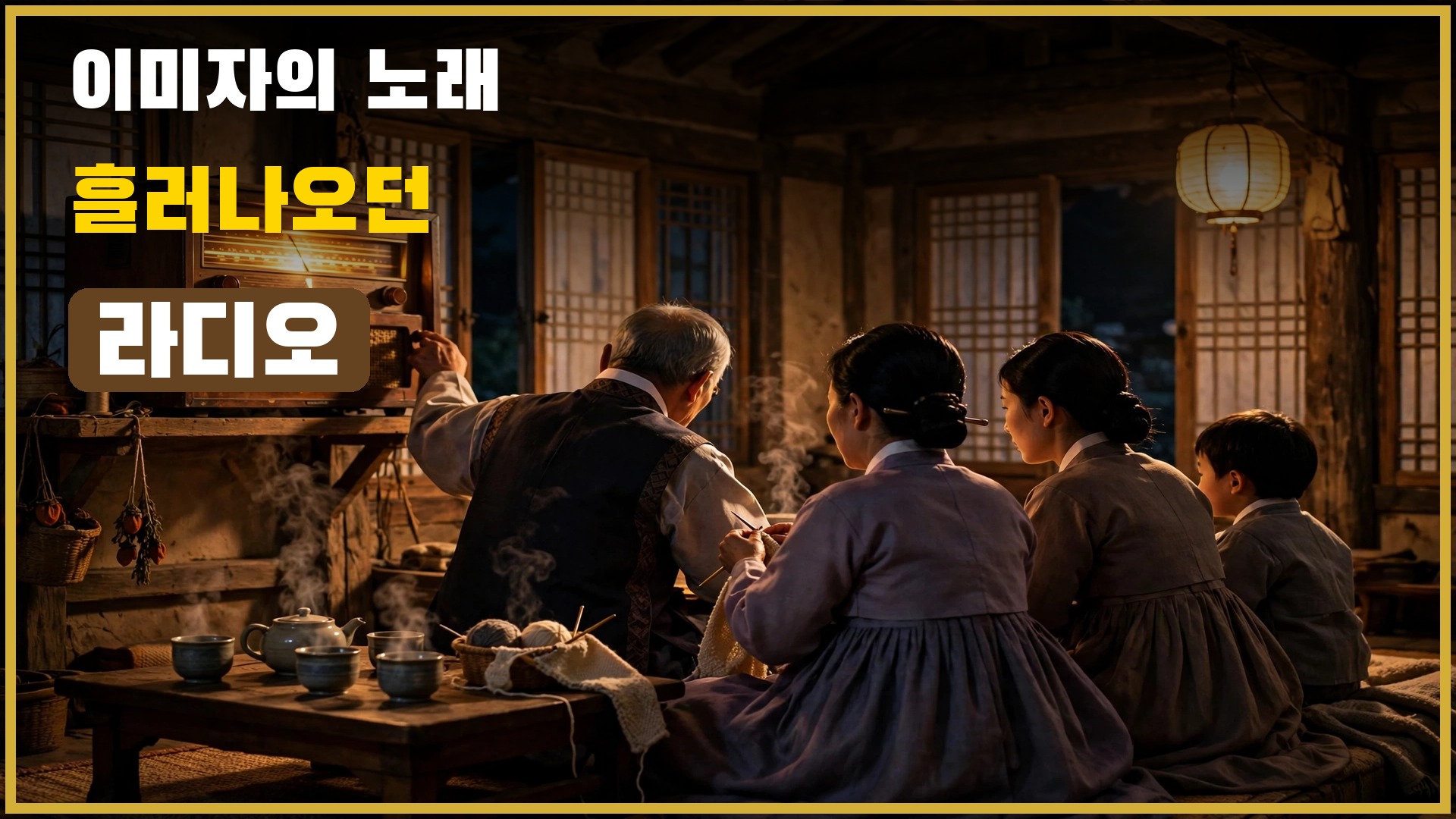
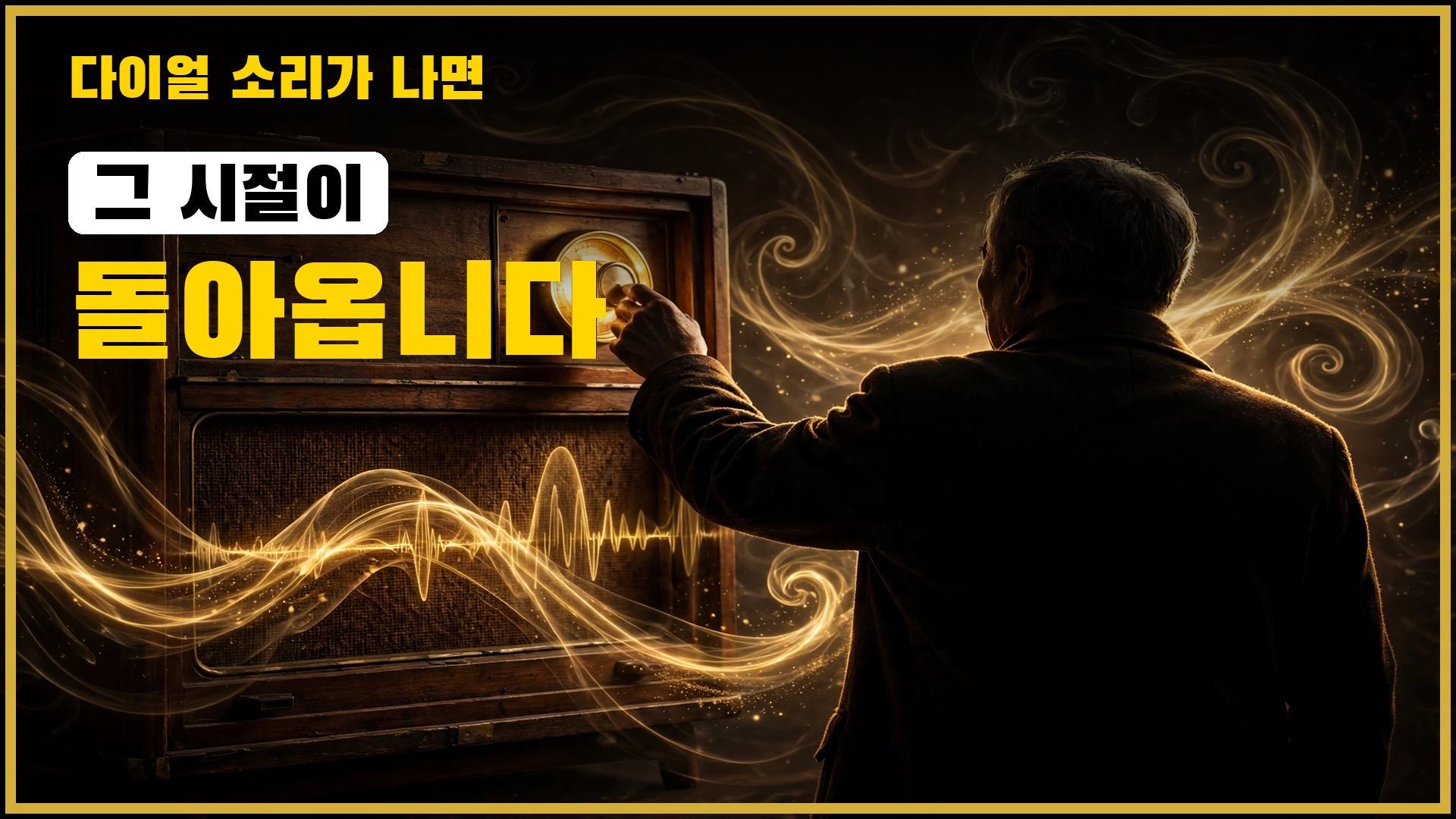
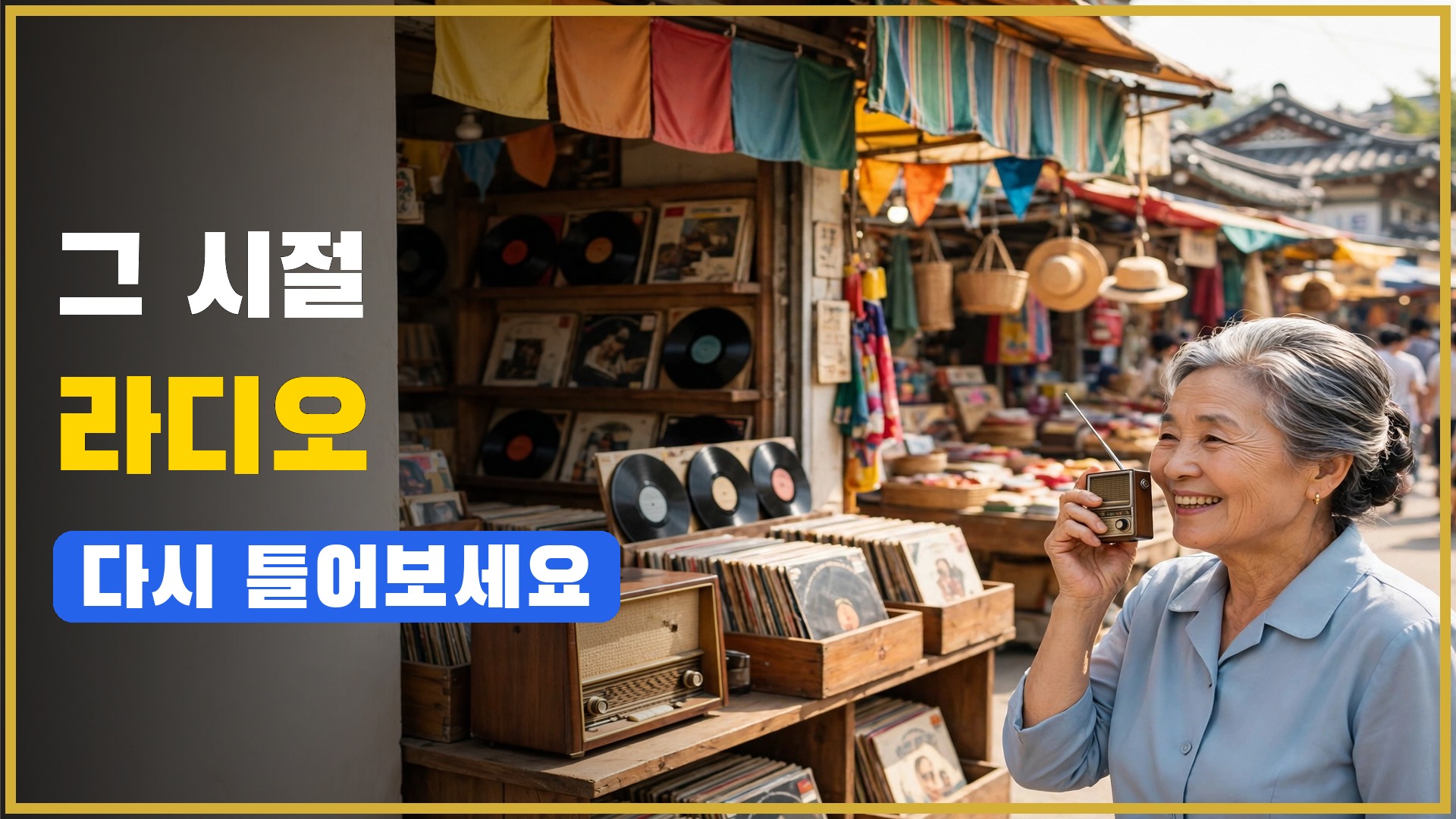
📝 제목 3안
- 라디오에서 이미자 노래가 흘러나오면|그 시절이 통째로 돌아옵니다
- 왜 그 노래만 들으면 그 시절이 돌아올까요|이미자 노래와 라디오 추억
- 오늘 밤, 라디오를 다시 틀어보세요|이미자 노래와 함께하는 추억 여행
🎙️ 대본 (약 20분 · Vrew 양식)
📋 Vrew '텍스트로 영상 만들기'에 그대로 붙여넣으세요. 한 줄 = 한 문장 = 한 클립·한 자막 양식입니다.
지지직, 지지직.
라디오 다이얼을 돌리는 소리,
아직도 귀에 남아 있으신가요.
지직거리는 잡음 사이로 목소리가 또렷해지던 그 순간,
온 집안이 조용해지곤 했습니다.
오늘 이 영상은 그 소리에서 시작합니다.
이미자의 노래가 흘러나오던 라디오,
그 라디오가 있던 시절로 함께 가보겠습니다.
그런데 시작하기 전에 질문 하나만 던져보겠습니다.
왜 그 노래만 들으면,
그 시절이 통째로 돌아오는 걸까요.
그 답은 이야기 끝에 있습니다.
끝까지 함께 들어보세요.

당신의 집에도 라디오가 있었을 겁니다.
거실 한쪽, 어쩌면 부엌 선반 위에
올려져 있던 나무 상자 라디오 말입니다.
아침에는 뉴스가 흘렀고, 낮에는 연속극이 흘렀고,
밤이 되면 노래가 흘렀습니다.
텔레비전이 귀하던 시절,
라디오는 집안의 유일한 창이었습니다.
예를 들어, 저녁 밥상을 치우고 나면
가족이 방 안에 모여 라디오 앞에 앉곤 했습니다.
누구는 뜨개질을 하고, 누구는 숙제를 하고,
누구는 그저 멍하니 소리를 들었습니다.
같은 소리를 들으면서도 각자 다른 생각을 하던 시간이었습니다.

1960년대는 라디오의 전성기였습니다.
라디오 드라마가 온 나라를 울고 웃게 하던 시절이었고,
1965년에는 서울FM이 개국하면서
라디오의 세상은 더 넓어졌습니다.
당시 청취 행태를 정리한 연구에서는 사람들이 하루에 세 시간에서
다섯 시간가량 라디오를 들었다고 전합니다.
일하면서, 밥하면서, 잠들기 전에,
라디오는 늘 곁에 있었습니다.
그런데 그 수많은 소리 중에서, 유난히 자주
흘러나오던 목소리가 있었습니다.
바로 이미자의 목소리였습니다.

라디오는 하루 종일 집 안에 있었습니다.
아침에는 뉴스가 흘렀고, 낮에는 연속극이 흘렀고,
저녁이 되면 가요 프로그램이 흘렀습니다.
부엌에서 일하는 동안에도,
마당에서 빨래를 하는 동안에도,
라디오는 꺼지지 않았습니다.
텔레비전이 집집마다 들어오기 전,
라디오는 바깥세상과 집안을 잇는 유일한 끈이었습니다.
작은 트랜지스터 라디오가 나오면서
라디오는 방 안에서 밖으로 나왔습니다.
일터에서도, 길에서도,
소풍 간 산에서도 라디오 소리가 흘렀습니다.
그래서 그 시절의 노래는 방 안에서만 들은 노래가 아닙니다.
일하는 손 위에서, 걷는 길 위에서, 함께 들은 노래입니다.
그렇게 몸에 밴 노래라서,
지금 들어도 그날의 풍경이 함께 돌아오는지도 모릅니다.

밤의 라디오는 또 달랐습니다.
불을 끄고 이불 속에 누우면,
라디오 소리만 방 안에 남았습니다.
진행자의 잔잔한 목소리 뒤로 노래가 흘렀고,
노래가 끝나면 다시 목소리가 이어졌습니다.
잠들기 전에 듣던 노래는 다음 날 아침까지
귀에 남아 있었습니다.
그 시절의 밤은 지금보다 조용했습니다.
조용한 밤에 흘러나오는 노래는 더 깊이 스며들었습니다.

라디오 다이얼을 돌리는 일 자체가 작은 의식이었습니다.
천천히 돌리면 지직거리는 잡음이 먼저 들렸고,
조금 더 돌리면 목소리가 또렷해졌습니다.
신호가 잘 잡히는 지점을 찾는 일, 그게
그 시절의 재미 중 하나였습니다.
오늘처럼 원하는 노래를 골라 듣는 시대가 아니었습니다.
다이얼을 돌리다 우연히 만난 노래가 그날의 노래가 되었습니다.
우연이 주는 기쁨이 그 시절 라디오의 매력이었습니다.

라디오 진행자의 목소리도 친숙했습니다.
매일 같은 시간에 들리던 목소리는,
얼굴을 몰라도 친구처럼 느껴졌습니다.
진행자가 소개하는 노래를 듣고, 사연을 듣고,
그렇게 하루가 흘렀습니다.
라디오는 기계가 아니라,
매일 찾아오는 손님 같았습니다.
문밖의 소식을 전해주고, 노래를 건네주고,
조용히 밤을 닫아주던 손님이었습니다.

라디오에는 사연을 보내는 사람들도 있었습니다.
편지에 사연을 적어 보내면,
진행자가 그 사연을 읽어주고
노래를 틀어주었습니다.
내 사연이 방송에 나오는 날은 온 집안이 들떴습니다.
라디오는 일방적으로 듣는 것이 아니라,
함께 만드는 것이었습니다.
청취자의 편지와 진행자의 목소리가 만나,
라디오는 하나의 커다란 방이 되었습니다.

이미자는 1941년 10월 30일에 태어났습니다.
1959년, 열아홉 순정으로 가요계에 데뷔했고,
1964년 동백아가씨로 단숨에 스타가 되었습니다.
그 뒤로 낸 앨범만 오백 장이 넘고,
사람들은 그를 엘레지의 여왕이라 불렀습니다.
그리고 2023년에는 대중음악인으로는 처음으로 금관문화훈장을 받았습니다.
수십 년의 세월 동안,
그의 노래는 세대를 건너 계속 불렸습니다.

동백아가씨가 얼마나 대단했는지,
숫자로 짐작해 보실 수 있습니다.
보도에 따르면 이 노래는 백만 장 이상 팔렸고,
서른다섯 주 연속으로 차트 1위를 지켰다고 전해집니다.
그 시절, 동백아가씨가 안 흘러나오는 곳이 없었습니다.
시장의 확성기에서도, 다방의 스피커에서도,
버스의 라디오에서도 같은 멜로디가 흘렀습니다.
노래를 몰라도 멜로디는 아는, 그런 노래가 되었습니다.
그런데 이미자의 노래는 동백아가씨 하나가 아니었습니다.
노래마다 한 시절이 들어 있었습니다.

1964년, 동백아가씨가 흘러나오던 시절의 거리를 떠올려 보세요.
시장 골목에서는 확성기 소리가 흘렀고,
다방에서는 스피커에서 노래가 흘렀고, 버스를 타면
운전석 옆 라디오에서 노래가 흘렀습니다.
노래 한 곡이 온 동네의 공기가 되던 시절이었습니다.
이미자의 목소리는 애절하면서도 단단했습니다.
슬픔을 노래하면서도 무너지지 않는 목소리, 그래서
듣는 사람이 위로를 받았습니다.
그 목소리가 수십 년 동안 사랑받은 이유가 여기에 있습니다.
젊은 날의 노래가 중년의 노래가 되고,
중년의 노래가 노년의 노래가 되었습니다.
노래와 함께 나이 들어간 셈입니다.
그런데 동백아가씨만으로는 이미자를 다 말할 수 없습니다.
그의 노래 목록을 펼치면,
시절 하나하나가 따로 펼쳐집니다.

이미자의 세월을 따라가 보면,
한국 가요의 세월이 함께 보입니다.
열아홉 순정으로 시작한 소녀 가수는 동백아가씨로 온
나라의 가수가 되었고,
그 뒤로도 수십 년 동안 노래를 놓지 않았습니다.
앨범만 오백 장이 넘습니다.
한 사람의 노래가 한 세대의 배경음악이 된 셈입니다.
그리고 2023년, 대중음악인으로는 처음으로 금관문화훈장을 받았습니다.
노래 한 곡이 아니라,
노래로 살아온 세월 자체가 인정받은 것입니다.

노래는 세대를 건넙니다.
부모가 듣던 노래를 자식이 따라 부르고,
자식이 따라 부르던 노래를 손자가 흥얼거립니다.
이미자의 노래가 오래 살아남은 이유도 여기에 있습니다.
한 세대의 유행가가 아니라,
여러 세대가 함께 부를 수 있는 노래가 되었기 때문입니다.
라디오에서 흘러나오던 노래가 식탁 위의 대화가 되고,
대화가 추억이 되는 식입니다.
그렇게 노래는 가족의 이야기가 됩니다.

아이들은 어른의 노래를 따라 불렀습니다.
부모가 흥얼거리는 노래를 듣고 자란 아이는,
그 노래를 자신의 노래처럼 부르게 됩니다.
그렇게 노래는 집안에서 대물림됩니다.
이미자의 노래가 오래 살아남은 것도,
이런 집안의 전승 덕분입니다.
노래는 음반에만 남는 것이 아니라,
사람의 입을 타고 전해집니다.

무대 위의 가수들도 라디오를 통해 집안으로 들어왔습니다.
무대의 열기가 라디오를 타고 방 안까지 전해졌습니다.
박수 소리, 관객의 환호성까지 함께 들렸습니다.
무대에 가보지 못한 사람도,
라디오로는 무대를 만날 수 있었습니다.
그래서 가수는 먼 사람이 아니라,
방 안의 손님이었습니다.

섬마을 선생님을 들어보세요.
배를 타고 섬에 들어가는 선생님,
그 풍경이 노래 안에 그대로 있습니다.
섬 아이들의 웃음소리, 파도 소리,
그런 것들이 멜로디에 실려 왔습니다.
여자의 일생은 또 다릅니다.
한 여자의 긴 세월, 웃고
울던 날들이 노래 한 곡에 담겼습니다.
그 노래를 들으면, 당신의 어머니 세대가, 아니
당신의 젊은 날이 떠오르기도 합니다.

흑산도 아가씨는 바다 냄새가 나는 노래입니다.
먼 섬의 아가씨를 그리는 노래지만,
듣는 사람마다 고향의 바다가 떠올랐습니다.
기러기 아빠는 시대가 만들어낸 말이었습니다.
떨어져 사는 가족, 그리움을 안고
사는 아버지들의 이야기가 노래가 되었습니다.
그 시절에는 그런 사연이 남의 일이 아니었습니다.
이웃집 이야기였고, 어쩌면
당신의 이야기였을지도 모릅니다.

섬마을 선생님을 조금 더 들어보세요.
배를 타고 섬에 들어가는 선생님의 뒷모습,
작은 학교의 운동장, 그 풍경이 노래 안에 있습니다.
섬 아이들의 웃음소리가 파도 소리와 섞여 흘렀습니다.
여자의 일생도 한 장면이 아닙니다.
시집가던 날의 설렘, 아이를 키우던 날의 고단함,
세월이 흘러 거울을 보던 날의 쓸쓸함까지,
한 여자의 일생이 노래 안에 겹겹이 담겼습니다.
그래서 이 노래를 들으면,
누군가의 일생이 아니라 당신의 일생이 떠오릅니다.

흑산도 아가씨를 들으면 바닷바람이 느껴집니다.
먼 섬에서 기다리는 아가씨의 마음,
그 기다림이 노래가 되었습니다.
기러기 아빠의 사연은 편지와 전화에 담겨 있었습니다.
떨어져 사는 가족을 그리워하며 쓴 편지,
목소리만으로 안부를 묻던 전화,
그런 것들이 노래의 배경이 되었습니다.
황혼의 블루스는 하루의 끝에서 듣던 노래였습니다.
저녁 밥상을 치우고 나서, 창밖으로 지는 해를 보며
듣던 노래였습니다.
여로는 떠나는 사람의 발걸음 소리입니다.
고향을 등지고 도시로 향하던 버스 안,
창밖으로 멀어지는 풍경이 노래 안에 있습니다.

이미자의 목소리는 힘든 날의 위로가 되기도 했습니다.
하루를 마치고 돌아와 라디오를 켜면,
애절한 목소리가 먼저 반겨주었습니다.
슬픈 노래를 들으면서 오히려 마음이 가벼워지는 경험을,
당신도 해보셨을 겁니다.
슬픔을 혼자 견디는 것이 아니라,
노래와 함께 견디는 것이었습니다.
그래서 이미자의 노래는 즐거운 날의 노래이자,
힘든 날의 노래이기도 합니다.
기쁠 때도, 슬플 때도 같은 목소리가 곁에 있었습니다.

노래에는 계절도 담겨 있습니다.
봄이면 봄의 노래가, 여름이면
여름의 노래가 라디오에서 흘렀습니다.
계절이 바뀔 때마다 라디오의 노래도 바뀌었습니다.
그래서 특정 노래를 들으면,
그 노래를 듣던 계절이 함께 떠오릅니다.
여름밤의 더위, 겨울밤의 추위까지,
노래는 계절의 감각을 함께 저장합니다.
지금 들어도 그 계절의 공기가 느껴지는 이유가 여기에 있습니다.

겨울밤의 라디오는 더 각별했습니다.
창밖에는 눈이 내리고,
방 안에는 라디오 소리만 흘렀습니다.
이불 속에 누워 듣는 노래는,
낮에 듣는 노래와 다르게 들렸습니다.
조용한 밤, 낮은 볼륨의 노래는 마음에 더 깊이 스며들었습니다.
겨울밤의 라디오는, 추위를 잊게
해주는 작은 난로 같았습니다.

노래를 듣던 자리도 기억나시나요.
방구석의 의자, 부엌의 작은 의자, 마당의 평상까지,
저마다 노래를 듣던 자리가 있었습니다.
그 자리에 앉으면 라디오 소리가 더 잘 들렸습니다.
자리가 주는 안락함이 노래의 맛을 더했습니다.
지금 그 자리에 앉아 같은 노래를 들으면,
그 시절의 당신이 앉아 있던 자리가 겹쳐 보입니다.
시간이 흘러도, 자리의 기억은 노래와 함께 남습니다.

황혼의 블루스는 저녁의 노래입니다.
하루가 저물어가는 시간,
노을이 질 무렵에 듣던 노래였습니다.
여로는 길을 떠나는 사람의 노래입니다.
고향을 떠나 도시로 향하던 사람들,
그 설렘과 두려움이 노래 안에 있습니다.
이렇게 노래 한 곡, 한 곡이 시절의 한 장면이었습니다.
라디오를 켜면 그 시절이 통째로 펼쳐졌던 이유가 바로 여기에 있습니다.

그 시절 노래는 어떻게 퍼졌을까요.
음반 가게에서 흘러나오던 노래를 듣고
따라 부르기도 했고, 라디오에서 흘러나온 노래를 흥얼거리며
집으로 돌아가기도 했습니다.
노래는 혼자 듣는 것이 아니었습니다.
누군가 부르면 옆에서 따라 불렀고, 따라 부르다 보면
온 방이 노래방이 되었습니다.
그래서 그 시절의 노래는 개인의 취향이 아니라,
함께한 시간의 표시였습니다.
당신에게도 그런 노래가 있을 겁니다.
라디오 다이얼을 돌리다가 우연히 만난 노래,
그 노래가 흐르는 동안 잠시 멈춰 섰던 날이 있을 겁니다.
오늘날에는 듣고 싶은 노래를 골라 들을 수 있지만,
그 시절에는 흘러나오는 노래를 만나는 것이었습니다.
우연히 만난 노래가 더 오래 남는 법입니다.

음반 가게 앞을 지나가면 노래가 흘러나왔습니다.
가게 안에 들어가면 새 음반을 들어볼 수 있었고,
마음에 드는 음반은 집으로 가져갈 수 있었습니다.
음반 한 장을 사는 일은 작은 행사였습니다.
집에 돌아와 조심스럽게 바늘을 올리면,
가게에서 듣던 노래가 내 방의 노래가 되었습니다.
그렇게 노래는 거리의 소리에서 집안의 소리가 되었습니다.

그 시절 노래는 함께 부르는 것이었습니다.
가족이 모이면 누군가 먼저 노래를 시작했고,
나머지는 따라 불렀습니다.
학교에서도, 모임에서도 노래는 빠지지 않았습니다.
노래를 잘 부르는 사람이 주인공이 되던 자리도 있었습니다.
그렇게 함께 부른 노래는 혼자 듣는 노래보다
오래 남습니다.
함께 부른 사람의 얼굴, 그날의 분위기까지
노래에 함께 저장되기 때문입니다.

세월이 흐르면서 텔레비전이 들어왔고,
카세트가 들어왔고,
듣는 방식은 계속 바뀌었습니다.
그런데도 라디오는 사라지지 않았습니다.
부엌의 라디오는 그대로였고,
일터의 라디오도 그대로였습니다.
손이 바쁜 동안에도 귀는 비어 있으니까요.
라디오는 보는 것이 아니라 듣는 것이어서,
일하면서도 함께할 수 있었습니다.
그래서 라디오는 시대를 건너 살아남았습니다.
화면이 커지는 동안에도, 소리는 계속 흘렀습니다.

첫사랑의 노래도 있었습니다.
누군가를 좋아하던 시절,
라디오에서 흘러나오던 노래가 그 사람의 노래가 되곤 했습니다.
그 노래를 들으면, 그 시절의 두근거림이 함께 돌아옵니다.
이름도, 얼굴도 희미해졌는데, 노래만은 또렷합니다.
그게 노래의 힘이자, 라디오의 힘입니다.
사람은 떠나도, 노래는 남습니다.

인생의 고비마다 노래가 있었습니다.
기쁜 날에는 기쁜 노래가,
슬픈 날에는 슬픈 노래가 곁에 있었습니다.
노래는 인생의 배경음악이 되어,
세월의 장면마다 붙어 다녔습니다.
그래서 나이가 들수록 노래가 더 소중해집니다.
노래를 들으면, 지나온 세월 전체가 한 번에 펼쳐지기 때문입니다.
그 세월을 다시 살 수 없지만,
노래로는 다시 만날 수 있습니다.

노래가 남긴 것은 멜로디만이 아닙니다.
노래와 함께한 사람들의 얼굴, 그날의 공기,
그 시절의 마음까지, 노래는 모든 것을 함께 남깁니다.
그래서 오래된 노래를 들으면,
단순히 옛날이 그리운 것이 아니라,
그 시절의 내가 그리워집니다.
그 그리움이야말로, 노래가 우리에게 주는 가장 큰 선물입니다.

자, 이제 처음 던졌던 질문으로 돌아가 보겠습니다.
왜 그 노래만 들으면 그 시절이 통째로 돌아오는 걸까요.
노래는 혼자 저장되지 않기 때문입니다.
노래에는 그 노래를 듣던 방의 온기,
함께 듣던 사람들의 숨소리, 그날의 저녁 공기까지
함께 담겨 있습니다.
그래서 멜로디가 흘러나오면,
그 시절의 당신이 함께 돌아오는 겁니다.
그게 울컥함의 정체입니다.
몸이 아니라 마음이, 그 시절을 아직 간직하고
있다는 증거입니다.

사진은 장면을 남기지만, 멜로디는 온도를 남깁니다.
사진을 보면 그날의 얼굴이 떠오르지만, 노래를 들으면
그날의 공기가 떠오릅니다.
방 안의 냄새, 창밖의 빛,
함께 듣던 사람의 숨소리까지,
노래는 그 모든 것을 함께 데려옵니다.
그래서 노래는 기록이 아니라 시간여행입니다.
함께 듣던 사람 중에는 이제 곁에 없는 분도 계실 겁니다.
그럴 때 노래는 슬픔이 아니라 만남이 됩니다.
멜로디가 흐르는 동안,
그분과 함께 듣던 그 방으로 잠시 돌아갈 수 있으니까요.
울컥하는 마음은 약해진 증거가 아닙니다.
그 시절을 제대로 살아냈다는 증거입니다.

당신의 라디오를 떠올려 보세요.
다이얼의 위치, 스피커에서 흘러나오던 소리의 크기,
라디오가 놓여 있던 자리까지,
기억나는 대로 떠올려 보세요.
그 라디오에서 가장 먼저 흘러나오던 노래는 어떤 곡이었나요.
그 노래가 흐르던 방의 풍경도 함께 떠오르시나요.
그 방에는 누가 있었고,
밖에서는 무슨 소리가 들렸나요.
노래 한 곡이 이렇게 많은 것을 데려오는 이유는,
노래가 그 시절의 일부였기 때문입니다.

오늘 밤에는 라디오를 켜듯이,
조용히 한 곡을 들어보세요.
불을 조금 어둡게 하고, 눈을 감고,
멜로디에만 귀를 기울여 보세요.
가사를 따라 부르지 않아도 좋습니다.
그냥 흘러가는 대로 두면,
그 시절이 스스로 찾아옵니다.
서두를 필요는 없습니다.
노래는 기다려줍니다.

세월이 흘러도 멜로디는 남습니다.
거리의 모습은 바뀌고, 집안의 풍경도 바뀌었지만,
노래가 흐르는 순간의 마음은 그대로입니다.
그래서 이미자의 노래는 옛 노래가 아니라,
지금도 살아 있는 노래입니다.
라디오에서 흘러나오던 그 노래가,
오늘 밤 당신의 방에서도 흘러나올 수 있습니다.
그게 이 영상이 전하고 싶은 전부입니다.

오늘 당신의 부엌에도 라디오가 있나요.
아니면 스마트폰으로 노래를 듣고 계신가요.
듣는 기기는 바뀌었지만,
노래를 듣는 마음은 그대로입니다.
오늘 밤, 잠시 기기를 내려놓고, 예전처럼
노래에만 귀를 기울여 보세요.
다이얼은 없어도, 그 시절의 마음은 그대로 찾아옵니다.

당신의 첫 노래는 어떤 곡인가요.
라디오에서 처음 따라 불렀던 노래,
혹은 처음 울컥했던 노래가 있을 겁니다.
그 노래를 떠올리는 것만으로,
그 시절의 방이 떠오릅니다.
그 방의 냄새, 그 방의 빛,
그 방에 있던 사람들까지,
노래가 다 데려옵니다.
그래서 첫 노래는 그냥 노래가 아닙니다.
당신의 젊은 날이 담긴 작은 상자입니다.

그 상자를 여는 일은 어렵지 않습니다.
오래된 노래 한 곡을 틀면,
상자의 뚜껑이 저절로 열립니다.
처음에는 멜로디만 들리다가, 조금 지나면
그 시절의 방이 보이기 시작합니다.
방 안의 사람들, 창밖의 소리, 저녁 밥상의 냄새까지,
잊고 있던 것들이 하나둘 돌아옵니다.
그렇게 노래는 과거로 가는 문이 됩니다.
문을 여는 열쇠는 대단한 것이 아닙니다.
그저 한 곡, 조용히 듣는 일입니다.
오늘 밤, 그 문을 열어보세요.
그 문 너머에서 당신의 젊은 날이 기다리고 있을 겁니다.

그래서 오늘 밤, 한 곡만 다시 들어보시면 어떨까요.
동백아가씨, 그 노래로 시작해 보세요.
멜로디가 흐르는 동안,
당신의 그 시절도 조용히 찾아올 겁니다.
그리고 댓글로 꼭 알려주세요.
라디오에서 흘러나오던 첫 노래,
어떤 곡이 떠오르시나요.
당신의 첫 노래가 궁금합니다.
다음 영상에서는 새마을 깃발이 펄럭이던 날,
농촌이 바뀌던 시절 이야기로 찾아오겠습니다.
그때도 함께 들어주세요.
🖼️ 이미지 프롬프트 (대본 순서대로)
📋 Vrew 나레이션 재생 중 띄울 배경 이미지용. 다른 AI 이미지 생성기에 그대로 입력하세요. (16:9 · 실사 · 한국인 어르신 · 글자 없음)
## 1. 잡음 속 또렷해지는 목소리 (나레이션: "지직거리는 잡음 사이로 목소리가 또렷해지던 그 순간,온 집안이 조용해지곤 했습니다.")

A close-up of an elderly Korean man's wrinkled hand slowly turning the large round tuning dial of a 1960s wooden box table radio, its warm brown cabinet and woven fabric speaker grille glowing under a dim lamp in a traditional Korean home, soft static atmosphere, the dial glass catching golden light, worn wood grain and old brass details visible, nostalgic evening mood. Photorealistic cinematic photography, warm natural light, 35mm lens, shallow depth of field, rich texture detail, 16:9 aspect ratio, no text, no watermark, no subtitles.

## 2. 라디오가 있던 시절로 (나레이션: "이미자의 노래가 흘러나오던 라디오,그 라디오가 있던 시절로 함께 가보겠습니다.")

A wide warm interior shot of a 1960s Korean living room at dusk, a wooden vacuum-tube table radio standing on a low wooden cabinet as the centerpiece, paper windows glowing amber, a low dining table with ceramic teacups, ondol floor and simple wooden furniture, the whole room bathed in cozy lamplight, inviting the viewer into a bygone era. Photorealistic cinematic photography, warm natural light, 35mm lens, shallow depth of field, rich texture detail, 16:9 aspect ratio, no text, no watermark, no subtitles.

## 3. 왜 그 노래만 들으면 (나레이션: "왜 그 노래만 들으면,그 시절이 통째로 돌아오는 걸까요.")

A portrait of an elderly Korean woman with gentle closed eyes listening intently to a small wooden radio beside her, soft evening light falling across her calm face, her hand resting near the radio as if holding a memory, a quiet Korean home interior behind her, tender nostalgic expression, warm cinematic tones. Photorealistic cinematic photography, warm natural light, 35mm lens, shallow depth of field, rich texture detail, 16:9 aspect ratio, no text, no watermark, no subtitles.

## 4. 당신의 집에도 라디오가 (나레이션: "당신의 집에도 라디오가 있었을 겁니다.")

A 1960s Korean home interior with a wooden box radio placed on a kitchen shelf above a low cabinet, morning sunlight streaming through a paper window, brass bowls and ceramic jars arranged nearby, the radio's round dial and fabric grille in sharp focus, humble and warm everyday atmosphere of old Korea. Photorealistic cinematic photography, warm natural light, 35mm lens, shallow depth of field, rich texture detail, 16:9 aspect ratio, no text, no watermark, no subtitles.

## 5. 아침 뉴스 낮 연속극 밤 노래 (나레이션: "아침에는 뉴스가 흘렀고, 낮에는 연속극이 흘렀고,밤이 되면 노래가 흘렀습니다.")

A cozy 1960s Korean kitchen in the morning, a wooden table radio on a shelf playing beside a steaming rice pot and a folded newspaper, soft dawn light through a small window, an elderly Korean woman in a simple chima jeogori preparing breakfast, the scene full of quiet daily-life warmth. Photorealistic cinematic photography, warm natural light, 35mm lens, shallow depth of field, rich texture detail, 16:9 aspect ratio, no text, no watermark, no subtitles.

## 6. 저녁 밥상 치우고 모인 가족 (나레이션: "예를 들어, 저녁 밥상을 치우고 나면가족이 방 안에 모여 라디오 앞에 앉곤 했습니다.")

A Korean family gathered in a 1960s ondol room in the evening, sitting on floor cushions around a wooden table radio, grandmother in a traditional hanbok chima jeogori, parents and children listening together, warm lamplight, a low table with teacups, everyone facing the radio with calm attention, intimate family atmosphere. Photorealistic cinematic photography, warm natural light, 35mm lens, shallow depth of field, rich texture detail, 16:9 aspect ratio, no text, no watermark, no subtitles.

## 7. 뜨개질 숙제 멍하니 (나레이션: "누구는 뜨개질을 하고, 누구는 숙제를 하고,누구는 그저 멍하니 소리를 들었습니다.")

A close-up scene in a warm 1960s Korean home at night, an elderly Korean woman's hands knitting with yarn beside a glowing wooden radio, a child writing homework at a low table nearby, another family member resting chin on hand listening quietly, soft lamp light, peaceful domestic nostalgia. Photorealistic cinematic photography, warm natural light, 35mm lens, shallow depth of field, rich texture detail, 16:9 aspect ratio, no text, no watermark, no subtitles.

## 8. 라디오의 전성기 (나레이션: "1960년대는 라디오의 전성기였습니다.")

A 1960s Korean electronics shop window crowded with wooden box table radios of various sizes, their round dials and fabric grilles catching daylight, a shopkeeper in a simple vest arranging the display, passersby in 1960s Korean everyday dress pausing to look, a bustling Seoul street atmosphere in warm afternoon light. Photorealistic cinematic photography, warm natural light, 35mm lens, shallow depth of field, rich texture detail, 16:9 aspect ratio, no text, no watermark, no subtitles.

## 9. 서울FM 개국 시절의 스튜디오 (나레이션: "라디오 드라마가 온 나라를 울고 웃게 하던 시절이었고,1965년에는 서울FM이 개국하면서라디오의 세상은 더 넓어졌습니다.")

A 1960s Korean radio broadcasting studio, a male announcer seen from the side speaking into a large vintage ribbon microphone, soundproof wall panels and reel-to-reel tape machines around him, warm studio lamps, a script on the desk, the earnest atmosphere of early Korean broadcasting, no identifiable face in focus. Photorealistic cinematic photography, warm natural light, 35mm lens, shallow depth of field, rich texture detail, 16:9 aspect ratio, no text, no watermark, no subtitles.

## 10. 일하면서 밥하면서 잠들기 전에 (나레이션: "일하면서, 밥하면서, 잠들기 전에,라디오는 늘 곁에 있었습니다.")

An elderly Korean woman in a 1960s kitchen working at a low sink while a wooden radio plays on a shelf above her, steam rising from a pot, sunlight through a small window, brass and ceramic kitchenware, the radio always present beside daily labor, warm and humble nostalgic mood. Photorealistic cinematic photography, warm natural light, 35mm lens, shallow depth of field, rich texture detail, 16:9 aspect ratio, no text, no watermark, no subtitles.

## 11. 유난히 자주 흘러나오던 목소리 (나레이션: "그런데 그 수많은 소리 중에서, 유난히 자주흘러나오던 목소리가 있었습니다.")

A close-up of a 1960s wooden radio's woven speaker grille glowing in dusk light on a windowsill of a Korean home, soft golden rays crossing the room, a teacup beside it, the dial faintly lit, an atmosphere of a beloved voice about to fill the quiet house, warm cinematic stillness. Photorealistic cinematic photography, warm natural light, 35mm lens, shallow depth of field, rich texture detail, 16:9 aspect ratio, no text, no watermark, no subtitles.

## 12. 저녁 가요 프로그램 (나레이션: "아침에는 뉴스가 흘렀고, 낮에는 연속극이 흘렀고,저녁이 되면 가요 프로그램이 흘렀습니다.")

A Korean family in a 1960s home after dinner, dishes cleared, sitting around a wooden table radio as an evening song program plays, warm lamp light, grandmother in hanbok smiling softly, children leaning in, the cozy glow of a household sharing music together. Photorealistic cinematic photography, warm natural light, 35mm lens, shallow depth of field, rich texture detail, 16:9 aspect ratio, no text, no watermark, no subtitles.

## 13. 부엌 마당 빨래 (나레이션: "부엌에서 일하는 동안에도,마당에서 빨래를 하는 동안에도,라디오는 꺼지지 않았습니다.")

A sunny 1960s Korean courtyard where a woman in a traditional chima jeogori hangs white laundry on a line, a small transistor radio sitting on a wooden bench playing music, earthen jars and a stone washbasin nearby, bright daylight, the cheerful rhythm of housework with radio sound. Photorealistic cinematic photography, warm natural light, 35mm lens, shallow depth of field, rich texture detail, 16:9 aspect ratio, no text, no watermark, no subtitles.

## 14. 작은 트랜지스터 라디오 (나레이션: "작은 트랜지스터 라디오가 나오면서라디오는 방 안에서 밖으로 나왔습니다.")

A close-up of a hand holding a small 1960s transistor radio in a worn leather case, its telescopic antenna extended, against the backdrop of a green mountain picnic scene with Korean families resting on mats, 1960s outdoor leisure, warm sunlight, the portable radio as a new freedom. Photorealistic cinematic photography, warm natural light, 35mm lens, shallow depth of field, rich texture detail, 16:9 aspect ratio, no text, no watermark, no subtitles.

## 15. 일터 길 소풍 산 (나레이션: "일터에서도, 길에서도,소풍 간 산에서도 라디오 소리가 흘렀습니다.")

Korean hikers in 1960s everyday dress walking a mountain path, one man carrying a small transistor radio on his shoulder, pine forest and distant peaks, friends laughing on the trail, bright natural daylight, the sound of music traveling outdoors, nostalgic picnic atmosphere. Photorealistic cinematic photography, warm natural light, 35mm lens, shallow depth of field, rich texture detail, 16:9 aspect ratio, no text, no watermark, no subtitles.

## 16. 일하는 손 위 걷는 길 위 (나레이션: "일하는 손 위에서, 걷는 길 위에서, 함께 들은 노래입니다.")

A Korean farmer in a 1960s work shirt resting on a field ridge at midday, a small transistor radio placed on the earth beside him, rice paddies stretching behind, his weathered hands near the radio, warm summer light, the song accompanying labor in the fields. Photorealistic cinematic photography, warm natural light, 35mm lens, shallow depth of field, rich texture detail, 16:9 aspect ratio, no text, no watermark, no subtitles.

## 17. 밤의 라디오 (나레이션: "밤의 라디오는 또 달랐습니다.")

A dark quiet 1960s Korean bedroom at night, a wooden radio on a low cabinet glowing with a faint amber dial light, a thick quilt on the ondol floor, moonlight through a paper window, deep calm stillness, the radio as the only light and sound in the sleeping house. Photorealistic cinematic photography, warm natural light, 35mm lens, shallow depth of field, rich texture detail, 16:9 aspect ratio, no text, no watermark, no subtitles.

## 18. 진행자 목소리 뒤 노래 (나레이션: "진행자의 잔잔한 목소리 뒤로 노래가 흘렀고,노래가 끝나면 다시 목소리가 이어졌습니다.")

A dim 1960s Korean room late at night, a wooden table radio glowing softly on a low table beside a cooling teacup, a window showing a dark blue night sky, a blanket draped over a chair, the intimate feeling of a late-night broadcast voice followed by a gentle song. Photorealistic cinematic photography, warm natural light, 35mm lens, shallow depth of field, rich texture detail, 16:9 aspect ratio, no text, no watermark, no subtitles.

## 19. 조용한 밤 (나레이션: "그 시절의 밤은 지금보다 조용했습니다.")

A peaceful 1960s Korean village house at night, a single warm window glowing, the silhouette of a tiled roof against a deep blue sky, a wooden radio faintly visible through the window light, crickets-quiet countryside, the stillness of an era before television noise, cinematic night mood. Photorealistic cinematic photography, warm natural light, 35mm lens, shallow depth of field, rich texture detail, 16:9 aspect ratio, no text, no watermark, no subtitles.

## 20. 다이얼 돌리는 작은 의식 (나레이션: "라디오 다이얼을 돌리는 일 자체가 작은 의식이었습니다.")

An extreme close-up of elderly Korean fingers delicately turning the round tuning dial of a 1960s wooden radio, the glass frequency scale and needle in sharp detail, warm lamp light on aged skin and polished wood, dust motes in the light beam, a ritual-like concentration, nostalgic and tactile. Photorealistic cinematic photography, warm natural light, 35mm lens, shallow depth of field, rich texture detail, 16:9 aspect ratio, no text, no watermark, no subtitles.

## 21. 우연히 만난 노래 (나레이션: "다이얼을 돌리다 우연히 만난 노래가 그날의 노래가 되었습니다.")

An elderly Korean man's hand pausing on a radio dial in a sunlit 1960s room, dust motes floating in a beam of afternoon light through a paper window, his expression softening as an unexpected melody fills the room, a low table with tea beside him, the joy of a chance encounter with a song. Photorealistic cinematic photography, warm natural light, 35mm lens, shallow depth of field, rich texture detail, 16:9 aspect ratio, no text, no watermark, no subtitles.

## 22. 매일 찾아오는 손님 (나레이션: "라디오는 기계가 아니라,매일 찾아오는 손님 같았습니다.")

A welcoming 1960s Korean living room where a wooden table radio sits on a low table between two teacups, as if a guest has just arrived, warm evening light, a cushion placed ready, the radio treated like a daily visitor bringing news and songs, cozy and affectionate atmosphere. Photorealistic cinematic photography, warm natural light, 35mm lens, shallow depth of field, rich texture detail, 16:9 aspect ratio, no text, no watermark, no subtitles.

## 23. 사연이 방송에 나오는 날 (나레이션: "내 사연이 방송에 나오는 날은 온 집안이 들떴습니다.")

A joyful Korean family in a 1960s ondol room crowding around a wooden radio, a young woman holding a handwritten letter with excitement, grandmother in hanbok clapping softly, everyone leaning toward the speaker, warm lamplight, the thrill of hearing one's own story on the air. Photorealistic cinematic photography, warm natural light, 35mm lens, shallow depth of field, rich texture detail, 16:9 aspect ratio, no text, no watermark, no subtitles.

## 24. 1959 데뷔 1964 스타 (나레이션: "1959년, 열아홉 순정으로 가요계에 데뷔했고,1964년 동백아가씨로 단숨에 스타가 되었습니다.")

A 1960s Korean concert stage seen from behind the singer, a woman in an elegant long dress standing at a vintage microphone under warm spotlights, her back to the camera so no face is shown, a large audience in soft-focus silhouette applauding below, golden stage curtains, the rise of a national star. Photorealistic cinematic photography, warm natural light, 35mm lens, shallow depth of field, rich texture detail, 16:9 aspect ratio, no text, no watermark, no subtitles.

## 25. 세대를 건너 불린 노래 (나레이션: "수십 년의 세월 동안,그의 노래는 세대를 건너 계속 불렸습니다.")

Three generations of a Korean family singing together in a warm living room, grandmother in hanbok, mother and a young child beside her, a wooden radio between them, everyone smiling with mouths open in song, evening lamplight, the living transmission of a beloved melody through a family. Photorealistic cinematic photography, warm natural light, 35mm lens, shallow depth of field, rich texture detail, 16:9 aspect ratio, no text, no watermark, no subtitles.

## 26. 시장 다방 버스 멜로디 (나레이션: "시장의 확성기에서도, 다방의 스피커에서도,버스의 라디오에서도 같은 멜로디가 흘렀습니다.")

A bustling 1960s Korean market alley with a large horn loudspeaker mounted on a wooden pole, merchants in 1960s everyday dress and aprons, shoppers carrying baskets, stalls with vegetables and fabrics, warm afternoon light, the whole street sharing one melody from above. Photorealistic cinematic photography, warm natural light, 35mm lens, shallow depth of field, rich texture detail, 16:9 aspect ratio, no text, no watermark, no subtitles.

## 27. 1964년의 거리 (나레이션: "1964년, 동백아가씨가 흘러나오던 시절의 거리를 떠올려 보세요.")

A lively 1960s Seoul street scene, an old city bus with a small radio visible beside the driver, pedestrians in 1960s Korean dress, shop signs and bicycles, a tea house with a speaker outside, warm daylight, the air of a city where one song became the sound of the whole neighborhood. Photorealistic cinematic photography, warm natural light, 35mm lens, shallow depth of field, rich texture detail, 16:9 aspect ratio, no text, no watermark, no subtitles.

## 28. 애절하면서도 단단한 목소리 (나레이션: "이미자의 목소리는 애절하면서도 단단했습니다.")

A female singer's silhouette on a 1960s Korean stage, seen from behind in a long dress, standing before a vintage microphone in a single warm spotlight, the hall dark around her, a sense of sorrow sung with strength, golden light and soft shadow, no face visible, deeply moving atmosphere. Photorealistic cinematic photography, warm natural light, 35mm lens, shallow depth of field, rich texture detail, 16:9 aspect ratio, no text, no watermark, no subtitles.

## 29. 동백꽃과 음반 (나레이션: "그런데 동백아가씨만으로는 이미자를 다 말할 수 없습니다.")

A still life of vivid red camellia blossoms beside a black vinyl record and a small wooden radio on a worn wooden table, warm window light, petals scattered softly, the flowers evoking the most beloved song of an era, rich color and quiet nostalgia, photorealistic detail. Photorealistic cinematic photography, warm natural light, 35mm lens, shallow depth of field, rich texture detail, 16:9 aspect ratio, no text, no watermark, no subtitles.

## 30. 소녀 가수에서 온 나라의 가수 (나레이션: "열아홉 순정으로 시작한 소녀 가수는 동백아가씨로 온나라의 가수가 되었고,그 뒤로도 수십 년 동안 노래를 놓지 않았습니다.")

A wide shot of a grand 1960s Korean concert hall, a lone female singer seen from far behind on a distant stage under warm spotlights, rows of audience silhouettes rising in applause, golden curtains and chandeliers, the scale of a singer who became the voice of a nation. Photorealistic cinematic photography, warm natural light, 35mm lens, shallow depth of field, rich texture detail, 16:9 aspect ratio, no text, no watermark, no subtitles.

## 31. 노래로 살아온 세월 (나레이션: "노래 한 곡이 아니라,노래로 살아온 세월 자체가 인정받은 것입니다.")

A tall wooden shelf filled with hundreds of old vinyl records and album sleeves in a warm study, a small wooden radio at the end of the shelf, soft lamplight and dust motes, an elderly Korean man's hand gently touching a record spine, a lifetime of music preserved in one room. Photorealistic cinematic photography, warm natural light, 35mm lens, shallow depth of field, rich texture detail, 16:9 aspect ratio, no text, no watermark, no subtitles.

## 32. 식탁 위 대화가 추억 (나레이션: "라디오에서 흘러나오던 노래가 식탁 위의 대화가 되고,대화가 추억이 되는 식입니다.")

A Korean family dinner table in a 1960s home, brass bowls and side dishes spread out, family members talking and laughing with a wooden radio playing softly nearby, warm evening light through a paper window, the table as the place where songs became conversation and memory. Photorealistic cinematic photography, warm natural light, 35mm lens, shallow depth of field, rich texture detail, 16:9 aspect ratio, no text, no watermark, no subtitles.

## 33. 집안에서 대물림되는 노래 (나레이션: "그렇게 노래는 집안에서 대물림됩니다.")

An elderly Korean grandmother in hanbok and her young grandchild singing together beside a wooden radio in a sunlit room, the child's small hands clapping, the grandmother's warm smile, a low table with tangerines, the gentle handing down of a song within a family. Photorealistic cinematic photography, warm natural light, 35mm lens, shallow depth of field, rich texture detail, 16:9 aspect ratio, no text, no watermark, no subtitles.

## 34. 박수 소리 환호성 (나레이션: "박수 소리, 관객의 환호성까지 함께 들렸습니다.")

A sea of applauding hands in a 1960s Korean concert hall, warm stage lights blooming into golden bokeh in the background, a distant singer's silhouette on stage, the joyful roar of an audience, motion and warmth, celebrating a performance heard by the whole nation through radio. Photorealistic cinematic photography, warm natural light, 35mm lens, shallow depth of field, rich texture detail, 16:9 aspect ratio, no text, no watermark, no subtitles.

## 35. 배 타고 섬에 들어가는 선생님 (나레이션: "배를 타고 섬에 들어가는 선생님,그 풍경이 노래 안에 그대로 있습니다.")

A small ferry boat approaching a quiet Korean island pier in the 1960s, a young teacher seen from behind carrying a bag and books, island children in simple shirts waving from the wooden pier, gentle waves and gulls, a small schoolhouse on the hill, warm coastal daylight, a song's landscape made real. Photorealistic cinematic photography, warm natural light, 35mm lens, shallow depth of field, rich texture detail, 16:9 aspect ratio, no text, no watermark, no subtitles.

## 36. 흑산도 바다 냄새 (나레이션: "흑산도 아가씨는 바다 냄새가 나는 노래입니다.")

A windswept Korean island fishing village in the 1960s, stone-walled houses, drying fishing nets and boats pulled onto a pebble shore, sea breeze bending the laundry lines, an elderly woman in a headscarf mending nets, the deep blue sea and bright sky, the scent of the ocean in the air. Photorealistic cinematic photography, warm natural light, 35mm lens, shallow depth of field, rich texture detail, 16:9 aspect ratio, no text, no watermark, no subtitles.

## 37. 남의 일이 아니었던 사연 (나레이션: "그 시절에는 그런 사연이 남의 일이 아니었습니다.")

Two elderly Korean neighbors in 1960s everyday dress chatting warmly in a narrow alley between old tile-roofed houses, one holding a basket, laundry lines overhead, a small radio sound drifting from an open doorway, afternoon sunlight, the closeness of a neighborhood where everyone's story felt like one's own. Photorealistic cinematic photography, warm natural light, 35mm lens, shallow depth of field, rich texture detail, 16:9 aspect ratio, no text, no watermark, no subtitles.

## 38. 섬 아이들 웃음소리 파도 (나레이션: "섬 아이들의 웃음소리가 파도 소리와 섞여 흘렀습니다.")

A small island schoolyard in 1960s Korea, Korean children in simple shirts laughing and running across a dirt playground, waves breaking on the shore just beyond the school fence, a teacher figure watching from the porch, bright sea light, the sound of children's laughter mixing with the surf. Photorealistic cinematic photography, warm natural light, 35mm lens, shallow depth of field, rich texture detail, 16:9 aspect ratio, no text, no watermark, no subtitles.

## 39. 바닷바람 (나레이션: "흑산도 아가씨를 들으면 바닷바람이 느껴집니다.")

A Korean seaside cliff village in a strong sea breeze, white laundry snapping on lines, fishing nets spread to dry, an elderly Korean woman in a work apron shielding her eyes as she looks toward the horizon, gulls over a deep blue sea, wind and salt air filling the whole frame. Photorealistic cinematic photography, warm natural light, 35mm lens, shallow depth of field, rich texture detail, 16:9 aspect ratio, no text, no watermark, no subtitles.

## 40. 편지 전화 그리움 (나레이션: "떨어져 사는 가족을 그리워하며 쓴 편지,목소리만으로 안부를 묻던 전화,그런 것들이 노래의 배경이 되었습니다.")

A close-up of elderly Korean hands writing a letter by lamplight at a low wooden desk, an old rotary dial telephone and a small wooden radio nearby, an envelope and a fountain pen, warm night light, the quiet longing of a family separated by distance, tender and restrained emotion. Photorealistic cinematic photography, warm natural light, 35mm lens, shallow depth of field, rich texture detail, 16:9 aspect ratio, no text, no watermark, no subtitles.

## 41. 힘든 날의 위로 (나레이션: "이미자의 목소리는 힘든 날의 위로가 되기도 했습니다.")

An elderly Korean woman sitting alone at dusk beside a wooden radio in a quiet room, warm lamplight on her tired but comforted face, a teacup cooling beside her, evening shadows softening the room, a sad song making her heart feel lighter, gentle consolation without despair. Photorealistic cinematic photography, warm natural light, 35mm lens, shallow depth of field, rich texture detail, 16:9 aspect ratio, no text, no watermark, no subtitles.

## 42. 노래와 함께 견디는 슬픔 (나레이션: "슬픔을 혼자 견디는 것이 아니라,노래와 함께 견디는 것이었습니다.")

A rainy evening window in a 1960s Korean home, raindrops on the glass, an elderly Korean man's hands wrapped around a warm teacup on a low table, a wooden radio playing softly, the room dim and warm, sorrow shared with a song rather than carried alone, quiet cinematic mood. Photorealistic cinematic photography, warm natural light, 35mm lens, shallow depth of field, rich texture detail, 16:9 aspect ratio, no text, no watermark, no subtitles.

## 43. 계절마다 바뀌는 노래 (나레이션: "계절이 바뀔 때마다 라디오의 노래도 바뀌었습니다.")

A 1960s Korean street in spring, cherry blossoms drifting over a quiet lane, a record shop doorway with a speaker playing music, a woman in a spring coat pausing to listen, petals on the pavement, soft pink and warm daylight, the feeling that each season had its own song. Photorealistic cinematic photography, warm natural light, 35mm lens, shallow depth of field, rich texture detail, 16:9 aspect ratio, no text, no watermark, no subtitles.

## 44. 겨울밤 라디오 (나레이션: "겨울밤의 라디오는 더 각별했습니다.")

A snowy winter night outside a 1960s Korean home, snow piling on a tiled roof and a bare tree, inside a warm room an elderly couple under a thick quilt listens to a wooden radio glowing amber, a small heater and teacups nearby, the radio like a little stove against the cold. Photorealistic cinematic photography, warm natural light, 35mm lens, shallow depth of field, rich texture detail, 16:9 aspect ratio, no text, no watermark, no subtitles.

## 45. 노래를 듣던 자리 (나레이션: "노래를 듣던 자리도 기억나시나요.")

An empty worn wooden chair beside a 1960s wooden radio in a sunlit Korean room, afternoon light pooling on the ondol floor, a small cushion and a folded blanket on the chair, a teacup on the low table, the chair holding the memory of someone who always sat there to listen. Photorealistic cinematic photography, warm natural light, 35mm lens, shallow depth of field, rich texture detail, 16:9 aspect ratio, no text, no watermark, no subtitles.

## 46. 그 시절 당신이 앉던 자리 (나레이션: "지금 그 자리에 앉아 같은 노래를 들으면,그 시절의 당신이 앉아 있던 자리가 겹쳐 보입니다.")

An elderly Korean man sitting in his familiar wooden chair beside a glowing radio in a warm afternoon room, eyes half closed in remembrance, sunlight through a paper window, the present moment overlapping with decades of listening in the same seat, quiet and deeply nostalgic. Photorealistic cinematic photography, warm natural light, 35mm lens, shallow depth of field, rich texture detail, 16:9 aspect ratio, no text, no watermark, no subtitles.

## 47. 고향 떠나 도시로 (나레이션: "고향을 떠나 도시로 향하던 사람들,그 설렘과 두려움이 노래 안에 있습니다.")

The interior of a crowded 1960s Korean country bus, passengers in 1960s dress gazing out the windows at passing fields and hills, a young man holding a bundle on his lap, a small radio near the driver, late afternoon light, the mix of excitement and fear in leaving home for the city. Photorealistic cinematic photography, warm natural light, 35mm lens, shallow depth of field, rich texture detail, 16:9 aspect ratio, no text, no watermark, no subtitles.

## 48. 음반 가게 노래 따라 부르기 (나레이션: "음반 가게에서 흘러나오던 노래를 듣고따라 부르기도 했고, 라디오에서 흘러나온 노래를 흥얼거리며집으로 돌아가기도 했습니다.")

A 1960s Korean record shop front, vinyl records displayed in the window, young people browsing sleeves while a speaker outside plays a song, one boy humming along with a smile, a bustling street in warm daylight, music spilling from the shop into the street. Photorealistic cinematic photography, warm natural light, 35mm lens, shallow depth of field, rich texture detail, 16:9 aspect ratio, no text, no watermark, no subtitles.

## 49. 함께한 시간의 표시 (나레이션: "그래서 그 시절의 노래는 개인의 취향이 아니라,함께한 시간의 표시였습니다.")

A warm gathering in a 1960s Korean home where family and friends sing together, one man leading with raised hand, others clapping and laughing, a wooden radio on a low table, dishes and teacups around, evening lamplight, a song as the mark of time spent together. Photorealistic cinematic photography, warm natural light, 35mm lens, shallow depth of field, rich texture detail, 16:9 aspect ratio, no text, no watermark, no subtitles.

## 50. 우연히 만난 노래 오래 남는다 (나레이션: "우연히 만난 노래가 더 오래 남는 법입니다.")

A Korean man in 1960s dress pausing on a quiet street at dusk, stopped mid-step beside a shop speaker, listening with a wistful smile, warm shop light and long shadows, shopping bags in his hand, the moment a chance song becomes a lifelong memory. Photorealistic cinematic photography, warm natural light, 35mm lens, shallow depth of field, rich texture detail, 16:9 aspect ratio, no text, no watermark, no subtitles.

## 51. 바늘 올리는 작은 행사 (나레이션: "집에 돌아와 조심스럽게 바늘을 올리면,가게에서 듣던 노래가 내 방의 노래가 되었습니다.")

An extreme close-up of careful hands lowering a turntable needle onto a black vinyl record in a 1960s Korean home, the grooves catching warm lamplight, a wooden radio and record sleeves nearby, dust motes in the light, the small ceremony of bringing a shop song into one's own room. Photorealistic cinematic photography, warm natural light, 35mm lens, shallow depth of field, rich texture detail, 16:9 aspect ratio, no text, no watermark, no subtitles.

## 52. 학교 모임 노래 (나레이션: "학교에서도, 모임에서도 노래는 빠지지 않았습니다.")

A 1960s Korean schoolyard where students in simple neat shirts sing together in rows, a teacher conducting with a warm smile, a school building and a flagpole behind, bright morning light, the whole school sharing one song, cheerful and orderly nostalgia. Photorealistic cinematic photography, warm natural light, 35mm lens, shallow depth of field, rich texture detail, 16:9 aspect ratio, no text, no watermark, no subtitles.

## 53. 텔레비전 카세트 시대 변화 (나레이션: "세월이 흐르면서 텔레비전이 들어왔고,카세트가 들어왔고,듣는 방식은 계속 바뀌었습니다.")

A Korean living room in transition, a black-and-white television and a cassette player standing beside the old wooden radio on a low cabinet, a family watching the new screen while the radio still sits in its place, warm evening light, the changing ways of listening across decades. Photorealistic cinematic photography, warm natural light, 35mm lens, shallow depth of field, rich texture detail, 16:9 aspect ratio, no text, no watermark, no subtitles.

## 54. 라디오 시대를 건너 살아남음 (나레이션: "그래서 라디오는 시대를 건너 살아남았습니다.")

A modern Korean kitchen where hands prepare vegetables at a sink while a small vintage-style radio plays on a shelf, morning sunlight, steam from a pot, the continuity of listening while working, the radio surviving every new screen, warm everyday realism. Photorealistic cinematic photography, warm natural light, 35mm lens, shallow depth of field, rich texture detail, 16:9 aspect ratio, no text, no watermark, no subtitles.

## 55. 이름 얼굴 희미 노래 또렷 (나레이션: "이름도, 얼굴도 희미해졌는데, 노래만은 또렷합니다.")

An old faded black-and-white photograph leaning against a wooden radio in a warm Korean room, the faces in the photo softened by time while the radio glows clear beside it, afternoon light, a teacup and reading glasses nearby, the contrast of fading faces and an unforgotten melody. Photorealistic cinematic photography, warm natural light, 35mm lens, shallow depth of field, rich texture detail, 16:9 aspect ratio, no text, no watermark, no subtitles.

## 56. 인생 배경음악 (나레이션: "노래는 인생의 배경음악이 되어,세월의 장면마다 붙어 다녔습니다.")

An elderly Korean couple walking slowly along a quiet street at sunset, holding hands, warm orange light, a record shop's glow behind them, long shadows on the pavement, decades of life condensed into one evening walk, a song quietly accompanying their steps. Photorealistic cinematic photography, warm natural light, 35mm lens, shallow depth of field, rich texture detail, 16:9 aspect ratio, no text, no watermark, no subtitles.

## 57. 얼굴 공기 마음 남김 (나레이션: "노래와 함께한 사람들의 얼굴, 그날의 공기,그 시절의 마음까지, 노래는 모든 것을 함께 남깁니다.")

An open family photo album on a low table beside a wooden radio in a warm Korean home, old photographs of smiling faces, a hand turning a page gently, lamplight, the album and the radio together preserving faces, air and feelings of a bygone time. Photorealistic cinematic photography, warm natural light, 35mm lens, shallow depth of field, rich texture detail, 16:9 aspect ratio, no text, no watermark, no subtitles.

## 58. 처음 질문으로 돌아가기 (나레이션: "자, 이제 처음 던졌던 질문으로 돌아가 보겠습니다.")

An elderly Korean man turning a radio dial thoughtfully in a warm evening room, his gaze distant as if asking himself an old question, a teacup steaming beside him, soft lamplight and quiet shadows, the moment of returning to the question that opened the story. Photorealistic cinematic photography, warm natural light, 35mm lens, shallow depth of field, rich texture detail, 16:9 aspect ratio, no text, no watermark, no subtitles.

## 59. 멜로디에 시절 당신 돌아옴 (나레이션: "그래서 멜로디가 흘러나오면,그 시절의 당신이 함께 돌아오는 겁니다.")

An elderly Korean woman smiling softly with eyes closed as a wooden radio plays beside her, warm golden light wrapping her face, a blanket over her knees, the years falling away as the melody brings her younger self back into the room. Photorealistic cinematic photography, warm natural light, 35mm lens, shallow depth of field, rich texture detail, 16:9 aspect ratio, no text, no watermark, no subtitles.

## 60. 방 냄새 창밖 빛 숨소리 (나레이션: "방 안의 냄새, 창밖의 빛,함께 듣던 사람의 숨소리까지,노래는 그 모든 것을 함께 데려옵니다.")

A sunlit 1960s Korean room with sheer curtains swaying, dust motes dancing in a beam of light, a wooden radio on a low table beside a steaming teacup, an open window showing green leaves outside, the air itself feeling like a memory, warm and still. Photorealistic cinematic photography, warm natural light, 35mm lens, shallow depth of field, rich texture detail, 16:9 aspect ratio, no text, no watermark, no subtitles.

## 61. 그분과 함께 듣던 방 (나레이션: "멜로디가 흐르는 동안,그분과 함께 듣던 그 방으로 잠시 돌아갈 수 있으니까요.")

A quiet Korean room with two teacups on a low table and one empty cushion facing a wooden radio, warm evening light, a framed old photograph on the wall, the gentle presence of someone no longer there, a song turning absence into a brief reunion, tender and calm. Photorealistic cinematic photography, warm natural light, 35mm lens, shallow depth of field, rich texture detail, 16:9 aspect ratio, no text, no watermark, no subtitles.

## 62. 다이얼 위치 소리 크기 자리 (나레이션: "다이얼의 위치, 스피커에서 흘러나오던 소리의 크기,라디오가 놓여 있던 자리까지,기억나는 대로 떠올려 보세요.")

A detailed close-up of a 1960s wooden radio showing its round tuning dial, volume knob and worn wooden cabinet texture, a finger resting lightly on the dial, warm lamplight tracing the grain and the faded frequency markings, the beloved object remembered in every detail. Photorealistic cinematic photography, warm natural light, 35mm lens, shallow depth of field, rich texture detail, 16:9 aspect ratio, no text, no watermark, no subtitles.

## 63. 노래가 시절의 일부 (나레이션: "노래 한 곡이 이렇게 많은 것을 데려오는 이유는,노래가 그 시절의 일부였기 때문입니다.")

A warm Korean living room wall where old family photographs hang around a wooden radio on a low cabinet, a calendar and a small clock nearby, evening lamplight, the radio at the center of a family's history, a song as one part of the era itself. Photorealistic cinematic photography, warm natural light, 35mm lens, shallow depth of field, rich texture detail, 16:9 aspect ratio, no text, no watermark, no subtitles.

## 64. 노래는 기다려줍니다 (나레이션: "노래는 기다려줍니다.")

A small wooden radio on a windowsill under moonlight in a quiet Korean home at night, the blue night outside and the radio's faint amber dial glow, a blanket folded on a chair, deep stillness, the patience of a song waiting to be heard again. Photorealistic cinematic photography, warm natural light, 35mm lens, shallow depth of field, rich texture detail, 16:9 aspect ratio, no text, no watermark, no subtitles.

## 65. 오늘 밤 당신의 방에서도 (나레이션: "라디오에서 흘러나오던 그 노래가,오늘 밤 당신의 방에서도 흘러나올 수 있습니다.")

A cozy modern Korean room at night, a small radio glowing on a bedside table, warm lamp light, an elderly person listening with a peaceful expression in a comfortable chair, a book and teacup nearby, the old song flowing again in a present-day room. Photorealistic cinematic photography, warm natural light, 35mm lens, shallow depth of field, rich texture detail, 16:9 aspect ratio, no text, no watermark, no subtitles.

## 66. 기기 내려놓고 노래에만 (나레이션: "오늘 밤, 잠시 기기를 내려놓고, 예전처럼노래에만 귀를 기울여 보세요.")

Elderly Korean hands gently setting a smartphone aside on a low table and turning the knob of a small radio instead, evening light in a quiet living room, a teacup steaming, the deliberate choice to listen the old way, calm and unhurried atmosphere. Photorealistic cinematic photography, warm natural light, 35mm lens, shallow depth of field, rich texture detail, 16:9 aspect ratio, no text, no watermark, no subtitles.

## 67. 방 냄새 빛 사람들 (나레이션: "그 방의 냄새, 그 방의 빛,그 방에 있던 사람들까지,노래가 다 데려옵니다.")

A warm sunlit Korean room with a wooden radio on a low table, sunlight falling across the floor, a doorway through which soft silhouettes of family members pass, curtains moving slightly, the whole space filled with the remembered light and life of a shared home. Photorealistic cinematic photography, warm natural light, 35mm lens, shallow depth of field, rich texture detail, 16:9 aspect ratio, no text, no watermark, no subtitles.

## 68. 멜로디만 들리다 방이 보이기 (나레이션: "처음에는 멜로디만 들리다가, 조금 지나면그 시절의 방이 보이기 시작합니다.")

An elderly Korean person with eyes closed in a warm room, a wooden radio playing, golden light gradually revealing the room's details around them as if a memory is taking shape, soft focus edges, the magical moment when a melody turns into a visible room from the past. Photorealistic cinematic photography, warm natural light, 35mm lens, shallow depth of field, rich texture detail, 16:9 aspect ratio, no text, no watermark, no subtitles.

## 69. 오늘 밤 그 문을 열어보세요 (나레이션: "오늘 밤, 그 문을 열어보세요.")

A wooden door opening into a warmly lit Korean room where a radio glows on a low table, evening light spilling through the doorway, a hand on the doorframe, the inviting threshold between the present and a remembered past, gentle and hopeful mood. Photorealistic cinematic photography, warm natural light, 35mm lens, shallow depth of field, rich texture detail, 16:9 aspect ratio, no text, no watermark, no subtitles.

## 70. 라디오에서 흘러나오던 첫 노래 (나레이션: "라디오에서 흘러나오던 첫 노래,어떤 곡이 떠오르시나요.")

A warm Korean room at night with a wooden radio on a low table beside an open notebook and a pencil, as if inviting someone to write down their first song, lamplight, a teacup, the quiet invitation to remember and share, the closing image of a story about music and memory. Photorealistic cinematic photography, warm natural light, 35mm lens, shallow depth of field, rich texture detail, 16:9 aspect ratio, no text, no watermark, no subtitles.
📄 설명란
지지직, 지지직. 라디오 다이얼을 돌리는 소리, 아직도 귀에 남아 있으신가요?
오늘은 이미자의 노래가 흘러나오던 라디오, 그 라디오가 있던 시절로 함께 가보겠습니다.
1960년대 거실 한쪽에 있던 나무 상자 라디오, 하루 3~5시간을 함께하던 그 소리, 그리고 동백아가씨부터 섬마을 선생님까지 노래마다 담긴 한 시절의 이야기를 20분 동안 천천히 들려드립니다. 라디오처럼 틀어놓고 편하게 들으세요.
⏱ 타임스탬프
00:00 라디오 다이얼을 돌리는 소리
01:11 1960년대, 라디오의 전성기
04:18 이미자, 엘레지의 여왕이 되기까지
07:56 노래마다 한 시절 (섬마을 선생님·여자의 일생·흑산도 아가씨·기러기 아빠·황혼의 블루스·여로)
15:42 왜 그 노래만 들으면 그 시절이 돌아올까요
17:25 오늘 밤, 한 곡만 다시 들어보세요
19:30 마무리 — 당신의 첫 노래는 어떤 곡인가요
📚 참고 자료
- 위키백과 '이미자' 항목 (1941년생, 1959년 '열아홉 순정' 데뷔, 1964년 '동백아가씨', 2023년 금관문화훈장)
- 언론 보도 (동백아가씨 100만 장 이상 판매·35주 연속 차트 1위)
- 1960년대 라디오 청취 관련 학술 연구 요약 (1960년대 초 하루 평균 3~5시간 청취, 1965년 서울FM 개국)
💬 댓글로 꼭 알려주세요. 라디오에서 흘러나오던 첫 노래, 어떤 곡이 떠오르시나요?
#이미자 #동백아가씨 #열아홉순정 #섬마을선생님 #여자의일생 #흑산도아가씨 #기러기아빠 #황혼의블루스 #여로 #엘레지의여왕 #금관문화훈장 #트로트 #1960년대 #1970년대 #라디오 #진공관라디오 #트랜지스터라디오 #라디오드라마 #옛날추억 #7080추억 #그시절 #노스텔지어 #추억여행 #시니어추억 #고향 #옛날이야기 #60대 #70대 #향수 #만수무강돌쇠
🏷️ 태그
이미자동백아가씨열아홉순정섬마을선생님여자의일생흑산도아가씨기러기아빠황혼의블루스여로엘레지의여왕금관문화훈장트로트1960년대1970년대라디오진공관라디오트랜지스터라디오라디오드라마옛날추억7080추억그시절노스텔지어추억여행시니어추억고향옛날이야기60대70대향수만수무강돌쇠